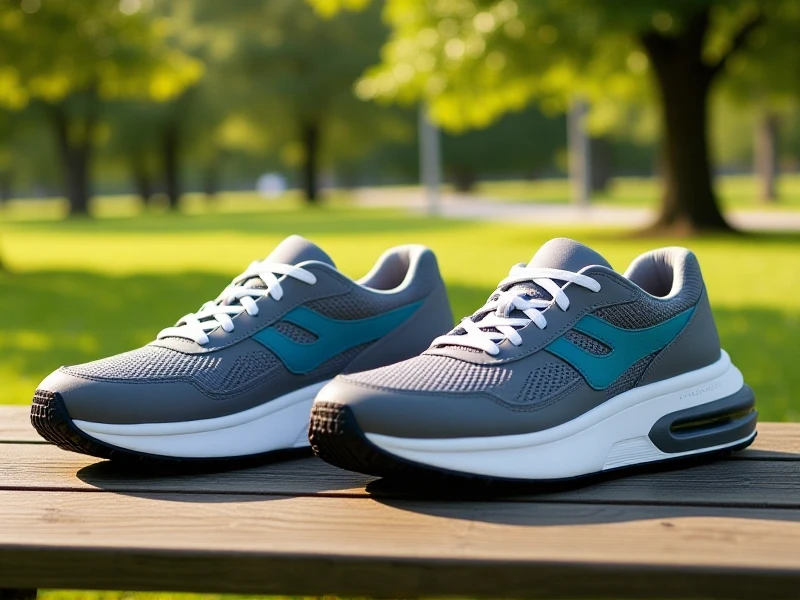
Unlock Peak Performance: Your Ultimate Sports Shoes Handbook
SEO-Optimized Article: Sports Shoes
Finding the perfect sports shoes isn't just about style—it's about transforming workouts, preventing injury, and maximizing athletic potential. Understanding what sets exceptional sports footwear apart empowers you to make smarter choices, whether you're hitting the track, conquering the court, or enhancing your daily gym sessions. Let's explore how engineered design and smart material choices create the foundation for better movement and greater comfort.
Your feet endure significant impact with every stride, jump, or pivot. Poorly chosen shoes contribute to common problems like shin splints, plantar fasciitis, or joint stress. Quality sports shoes act as essential shock absorbers and stabilizers. Modern midsoles utilize responsive tech like Nike's Air, Adidas Boost, Puma's Nitro foam, or ASICS GEL—each designed for targeted energy return. This advanced cushioning minimizes impact on joints, turning punishing landings into springy propulsion.
The sole's configuration determines where you'll excel. Trail runners feature aggressive lugs for muddy terrain and rock plates for protection. Road-running shoes prioritize lightweight cushioning and smooth transitions. Cross-trainers need lateral support plate systems for agility during side-to-side movements. Basketball footwear emphasizes ankle stability and high-traction herringbone or multidirectional patterns. Understanding these distinctions ensures your shoes match your activity's demands, boosting safety and performance.
Finding Your Perfect Match: Key Factors
- Activity: Always match the shoe type to your primary sport.
- Foot Mechanics: Determine your arch type (flat, neutral, high) and pronation (how your foot rolls inward). Stability or motion-control shoes support overpronation; neutral shoes cater to normal arches/pronation.
- Cushioning Level: Preference varies—runners might choose maximum cushion for distance versus minimal for speedwork; court players need responsive cushioning.
- Support & Breathability: Look for secure heel counters, supportive uppers (breathable mesh, knit, or supportive synthetics), and comfortable collars.
- Fit: Essential! Professional fitting is invaluable. Allow thumbnail space at the toe, ensure snug (not tight) midfoot/heel, consider width options. Always try shoes on later in the day when feet are slightly swollen.
Beyond specific models, regular wear matters. Even elite shoes lose cushioning and support after 300-500 miles. Rotating between pairs allows the midsole materials to fully recover, prolonging their life and effectiveness. Listen to persistent aches—they often signal worn-out shoes needing replacement.
Ready to upgrade your athletic experience? Prioritize how the shoe feels, supports, and propels your unique movement. Investing in the right sports shoes tailored precisely to your feet and activity is fundamental to unlocking better workouts, faster speeds, and longer injury-free participation. Equip your feet wisely—your next personal best awaits! Explore our expert-curated guide to leading sports shoe brands and discover the perfect pair built for your movement needs.