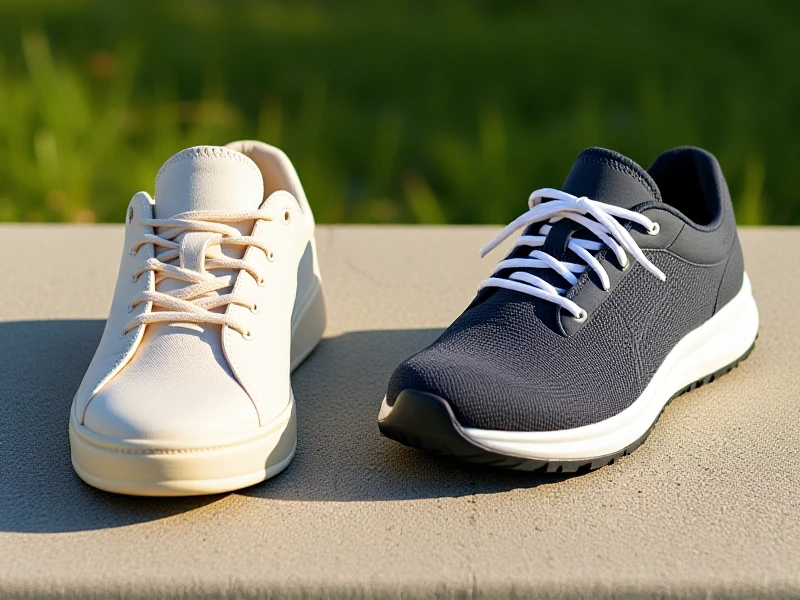
The Ultimate Guide to Choosing Your Perfect Pair of Sports Shoes
Finding the ideal sports shoes isn't just about style; it's about unlocking your performance, preventing injuries, and ensuring all-day comfort. With countless models confusing buyers, how do you pick the best ones for your feet and activities? Let's simplify the process.
First, define your primary activity. Running shoes prioritize cushioning and forward motion, featuring specific heel-to-toe drops and flexible soles for natural foot movement. Basketball kicks demand superior ankle support, high-traction outsoles, and responsive cushioning for explosive jumps and lateral cuts. Cross-trainers offer versatility for gym sessions, HIIT workouts, or light court sports, blending stability with multi-directional support. Walking shoes focus on everyday comfort with ample heel padding and less aggressive treads.
Next, understand your foot type. Flat arches often require motion control or stability shoes to prevent overpronation (excessive inward rolling). High arches usually benefit from neutral-cushioned shoes accommodating supination (outward rolling). Consider getting a professional gait analysis – many specialty stores offer this free service. Look for "arch support" or "stability" labels if your feet need extra control.
Prioritize fit above all else. Shop late afternoon when feet are naturally swollen. Always try on both shoes, wearing your intended athletic socks. Ensure a snug heel without slippage, about a thumb's width of space beyond your longest toe, and enough midfoot width so your feet aren't squeezed. The upper material matters too – breathable mesh suits running, while reinforced synthetics offer tougher sports better durability.
Today's sports shoes blend cutting-edge technology with sustainability. Brands utilize recycled plastics in uppers, responsive foams like PEBAX for energy return, and durable rubber compounds for high-wear zones. Features like reflective elements enhance safety, while waterproof membranes protect in wet conditions.
Finally, recognize when to replace them. Most sports shoes lose significant cushioning and support after 300-500 miles. Inspect outsoles for uneven wear and midsoles for visible creasing – these signal replacement time to avoid discomfort or injury.
Invest in the right pair and experience the difference properly fitted, activity-specific sports shoes make. Explore our curated collection today to find your perfect match: comfort engineered for your stride. Your feet will thank you!