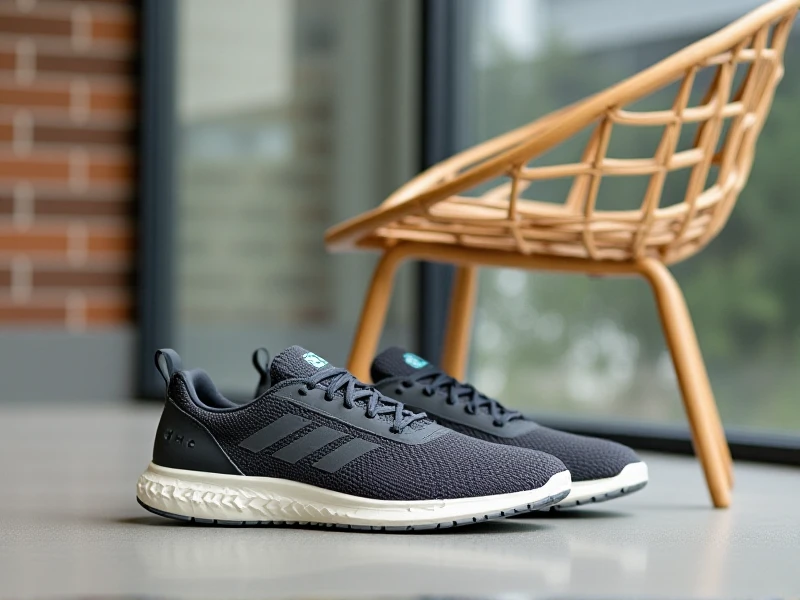
Your Comprehensive Guide to Sports Shoes in 2023
Here is the SEO-optimized article focused on "Sports Shoes":
Sports shoes have evolved far beyond just kicks for the gym. Today, they're essential pieces of equipment engineered for peak performance, injury prevention, and unmatched comfort across countless athletic activities. Choosing the right pair isn't just about style; it's about enhancing your movement and achieving your fitness goals.
The fundamental purpose of sports shoes is to support your feet during dynamic physical stress. They provide crucial shock absorption for those hard impacts when running or jumping. They offer stability to safeguard your ankles on uneven terrain during hiking or court sports. Ultimately, they help minimize fatigue and reduce the risk of common injuries like plantar fasciitis or shin splints, making each workout more effective and enjoyable.
Selecting the best sports shoes hinges entirely on your primary activity:
- Running Shoes: Designed for forward motion and high impact. Look for ample cushioning in the heel and forefoot, and models specifically tuned for road running or trail running. Proper fit is critical - ensure a thumb's width of space at the toe.
- Basketball Shoes: Prioritize ankle support and lateral stability for sharp cuts and jumps. Outsoles offer superior traction on polished courts.
- Soccer Cleats / Football Boots: Feature specialized studs or cleats molded into the sole to grip natural grass or artificial turf firmly, preventing slips and allowing powerful kicks.
- Cross-Trainers: Offer a balanced blend of support and flexibility, making them versatile options for gym workouts, HIIT classes, or light court sports if you prefer a single pair.
Modern sports shoes are marvels of technology. Key innovations include:
- Advanced Midsole Cushioning: Materials like Adidas BOOST, Nike Air, New Balance Fresh Foam, Brooks DNA LOFT, or Puma Nitro provide responsive energy return and unparalleled shock absorption. You can literally feel the difference.
- Enhanced Breathability Uppers: Engineered mesh and knit fabrics keep feet cool and dry during intense sessions.
- Structured Support: Features like medial posts, midfoot shanks, and heel counters actively control foot movement (pronation or supination) for stability.
- Lightweight Materials: Technological advancements mean high performance no longer requires heavy bulk.
Finding Your Perfect Fit: Beyond your sport, consider your foot type (high/low arch), gait, typical training surface, and how often you lace up. Visit a reputable specialty store for a professional fit assessment if possible. Replace your sports shoes regularly – typically every 300-500 miles for runners or when cushioning or tread wear becomes noticeable.
Investing in the right sports shoes tailored to your needs is truly an investment in your health, performance, and comfort. Explore the vast range of options available today and step confidently into your next challenge.
(Word Count: Approx. 420)